How is dealcoholized wine made, what are the main processes involved, is the technology domestic or foreign, and how much does it cost?
It is worth discussing the production methods and the technology itself, because they explain a great deal when we talk about quality and price. The starting product is conventional wine containing alcohol, from which the alcohol must somehow be separated in order to create a dealcoholized product. The simplest method is distillation. Since alcohol is volatile and has a lower boiling point, when the wine is heated it evaporates sooner than water or many of the other components. However, many compounds also evaporate together with the alcohol, or even at lower temperatures, so this kind of distillation results in significant aroma loss. This is something producers naturally try to avoid.
Alcohol evaporates at around 76 degrees Celsius, but in order to reduce aroma loss, distillation for dealcoholization is carried out at approximately 30 to 35 degrees Celsius. This is achieved under vacuum, meaning the process takes place below normal atmospheric pressure. Under these conditions alcohol evaporates sooner. Even so, some aroma loss still occurs, but aroma recovery technologies exist that can reduce these losses. This technology has evolved considerably and has been available for 10 to 15 years, while older methods have also improved significantly in recent years.
Membrane technology is somewhat different and even gentler. There are advanced membranes that selectively separate alcohol molecules, allowing the wine to be divided into alcohol and non alcoholic components. This makes alcohol removal more delicate, though some aroma loss is still unavoidable. It is important to understand that this is one reason why these products often seem less aromatic.
In dealcoholized wine there is no alcohol, even though alcohol acts as a solvent for many aroma compounds. Only water remains, and certain less soluble aromas cannot express themselves in the same way, so we perceive them less intensely. Different aromatic fractions appear in the bouquet and on the palate in an alcoholic solution than in a water based one. This is one of the disadvantages, or at least challenges, of dealcoholized wines: they have little chance of reproducing the same depth and richness of flavor as natural wine. Even so, value can still be created with them.
Winemakers have two main ways of compensating for the reduced aromatic intensity. One is to blend natural grape derived material, in other words must, into the finished product. This is why dealcoholized wines often contain sugar. The pleasant flavors and aromas of grape juice combine with the remaining aromas of the dealcoholized wine, creating a fuller product.
There is another route as well, perhaps a less elegant one, where producers enrich or flavor these products with nature identical aromas. In that case they can no longer legally be called dealcoholized wine, but only flavored beverages, since the use of the word wine is no longer permitted by law.
How are dealcoholized wines priced compared with traditional wines?
Consumers are often surprised that dealcoholized wines can be quite expensive. Compared with normal natural wines, their prices are relatively high. In fact, products considered inexpensive within this category may still be more expensive than natural wine. The explanation lies in the technology, which is costly and highly water intensive. Some membrane based methods require twenty to forty times as much water during processing. In addition, electrical energy is needed, along with expensive equipment and machinery.
Small wineries often cannot afford such technological investment. These systems are typically operated by specialist service companies that transport and install the equipment where needed. They visit wineries, process the batches, and then move on. In many cases these procedures can only be financed and implemented as one off contract work.
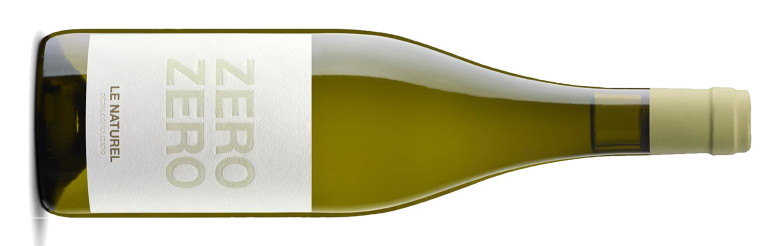
(Photo: serendipitywines.com)
How seriously can these products be taken in food pairing?
When speaking about the richness of flavor and aroma in dealcoholized wines, it must be acknowledged that they fall well short of natural wines in this respect. Nevertheless, it is still worth discussing how they can be recommended with food, whether they should be approached differently, and whether they offer some of the same room for play and creativity as traditional wines.
When selecting wines according to origin, vintage, or a specific dish, the criteria are always different. In one sense, dealcoholized wines cannot be placed on the same level as conventional wines, because this new product category was not created to meet exactly the same expectations. Yet there is another way to look at them. I said at the very beginning that they should be treated as a separate category, a separate universe. They should not be directly compared with natural wines.
If we keep that perspective and view dealcoholized wines as an independent category, they can still offer many interesting experiences thanks to the wonderful aromatic diversity of wine itself. Even in a dealcoholized version, varietal character can still be recognized. I am more doubtful, however, that the subtle nuances of terroir and vintage can truly be identified.
For consumers who do not want to feel excluded socially, and who would like to hold a glass of wine while talking with others, dealcoholized wine can provide that experience. It is also positive that during a meal we can still consider which grape variety the product was made from. Whenever possible, we should choose an appropriate product, because this category remains, in some way, part of the wine culture we value and helps sustain it, even in dealcoholized form.
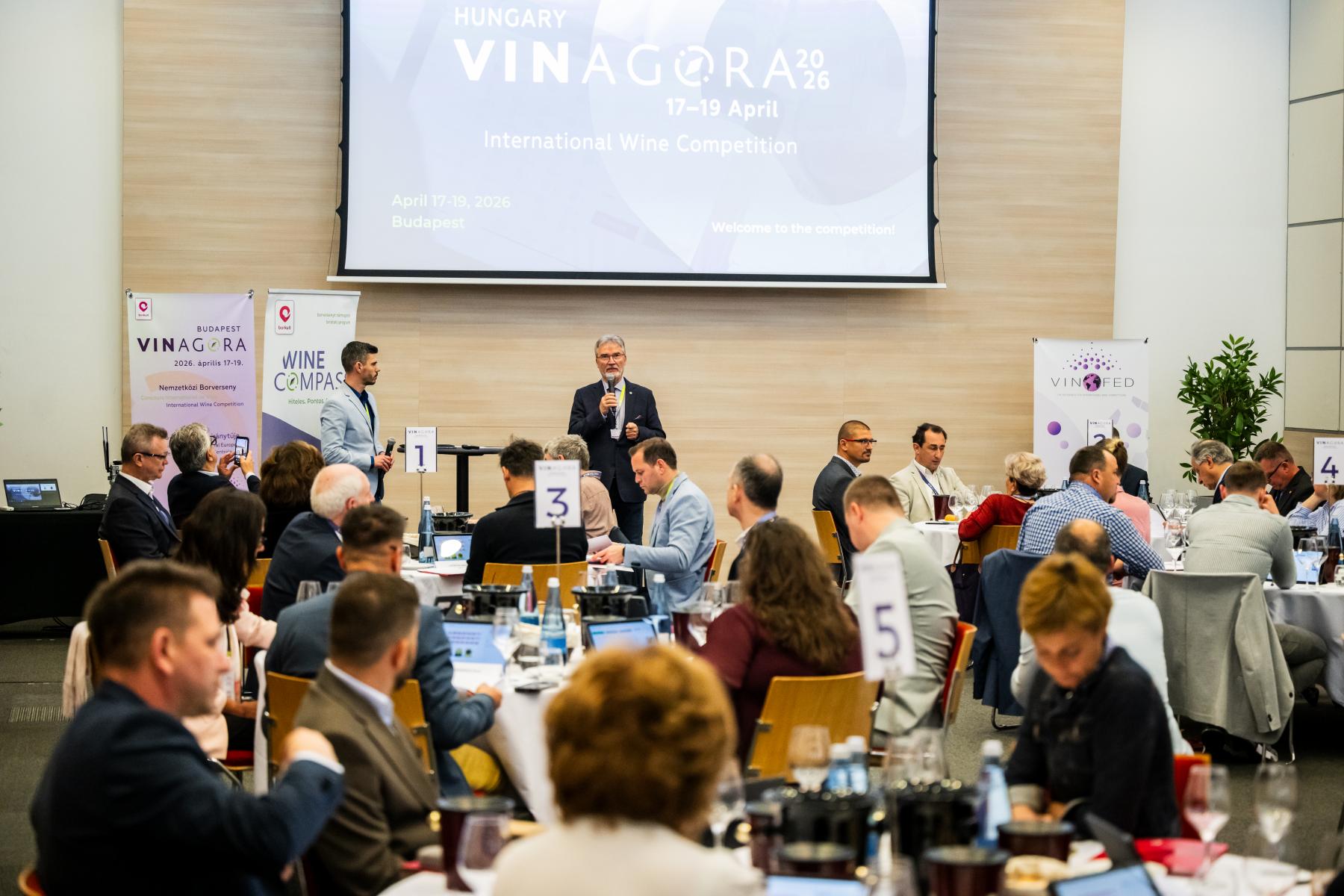
My view is that we should embrace it. I hope it remains more of a trend than a dominant force, but if it appears in the market with a few percent share as an expansion of choice and an offering adapted to modern life, that should be accepted. People can grow accustomed to it. As Director of the VinAgora International Wine Competition, together with my colleagues we will work to help identify the best products within this separate category, those that truly represent the highest possible quality.
Where can consumers receive credible professional evaluations of dealcoholized wines?
One of the aims of opening this category within the competition is to help consumers choose both wine and quality. This is especially important for dealcoholized wines because knowledge and experience are still limited. It is a relatively new category. This applies both to us as organizers of the competition and to the judges themselves. We are all still learning.
That is precisely why we organized an advanced training course and discussion forum for VinAgora's Hungarian judges, where we jointly tasted more than a dozen dealcoholized wines from several producers and countries. Afterwards, we discussed the judging criteria in depth so that we could identify the key focus points and establish common ground for evaluating this separate universe.
Dealcoholized wines are a world of their own. Within that context, we must define what their value is, what we should look for, what is good, and what is less successful, and the professional assessment should be consistent.
We have begun gathering experience, and I believe consumers should also pay attention to the results of competitions where this category is already present and where dealcoholized entries are evaluated. It is still a developing product group showing considerable change, and quality is changing with it. This category is at an early stage in its life cycle, though some very good examples already exist.
For consumers interested in this direction, it is especially important to seek professional guidance. Most importantly, they should taste dealcoholized wine attentively. Trust your own palate, but that requires more than simply swallowing it quickly. Look at it, smell it, taste it, and pay attention to its flavors. If approached consciously in this way, consumers themselves will be on the right path and will learn to distinguish the better examples from the weaker ones. Wine competitions can help with that process.